Your Mammogram Can Now Predict Your Heart Attack Risk. Most Doctors Don’t Know.
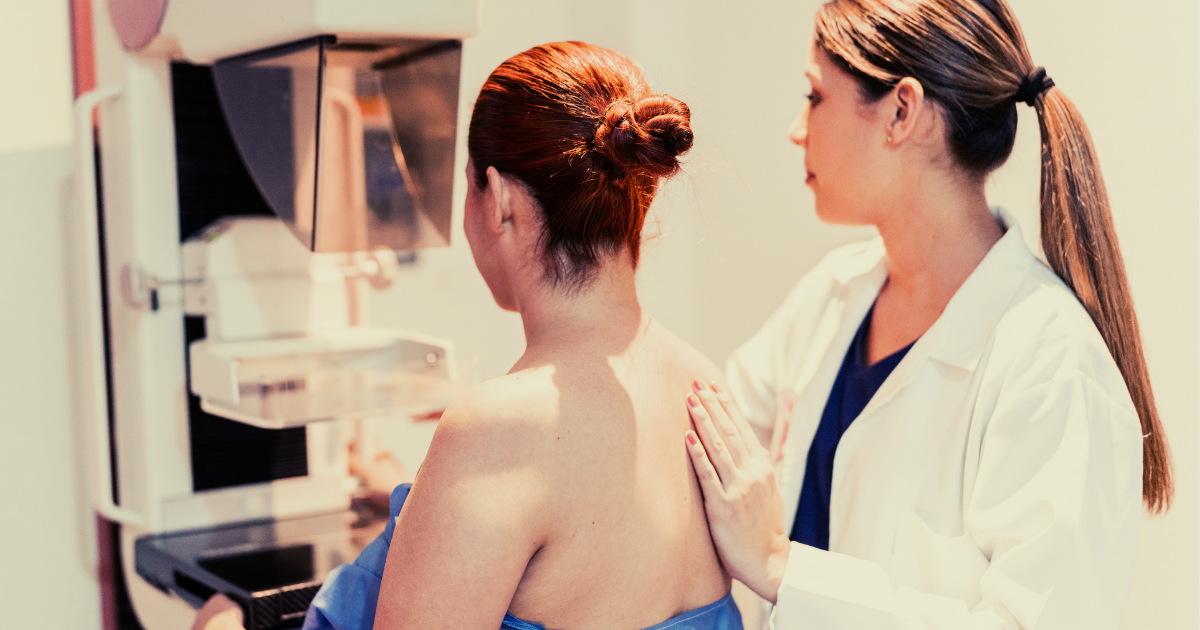
A routine mammogram can now do something most women have no idea it’s doing: flag their risk of a heart attack, stroke, or heart failure. A study of more than 120,000 women found that AI analysis of standard mammogram images can identify arterial calcification, a marker of cardiovascular disease, with enough accuracy to predict serious cardiac events, even in women under 50.
The technology works by reading calcium deposits in breast arteries, which show up on mammograms but are typically ignored. Radiologists look for cancer. Nobody has been looking at the arteries.
No spam. Unsubscribe anytime.
The new AI system changes that without requiring a second scan, a different appointment, or any additional cost to the patient.
The stakes are not abstract. Nearly 70% of American women have had a mammogram. Fewer than 40% know their own cholesterol levels. Heart disease is the leading cause of death in women, and it is routinely underdiagnosed, in part because the standard risk factors, cholesterol, blood pressure, family history, are never discussed at the appointments women actually show up for.
Researchers are now pushing the FDA to approve the technology as a standard dual-purpose screen. The ask is straightforward: if a woman is already lying on the table and the image is already being taken, why not read everything it has to say?
There are caveats. The study was observational, meaning it identified associations between arterial calcification and cardiac events but cannot prove that spotting calcification earlier will change outcomes. What happens after a flagged result, who follows up, and whether that follow-up translates into prevention, are questions the data does not yet answer.
But the researchers argue that the status quo is not neutral. Women are already being screened. The information is already there. The choice is whether to use it.
Heart disease kills more women than all cancers combined. The mammogram is one of the few medical touchpoints that reaches women reliably, across age groups, income levels, and health histories. Using it only to look for cancer, when it is apparently capable of more, is a choice the field has been making by default.
Source: European Society of Cardiology / ESCardio, March 2026. Study of 120,000+ women examining AI detection of arterial calcification in mammogram images.