GLP-1 Drugs Like Ozempic Were Linked to a 30% Drop in Breast Cancer Risk. Researchers Think It’s Not Just the Weight Loss.
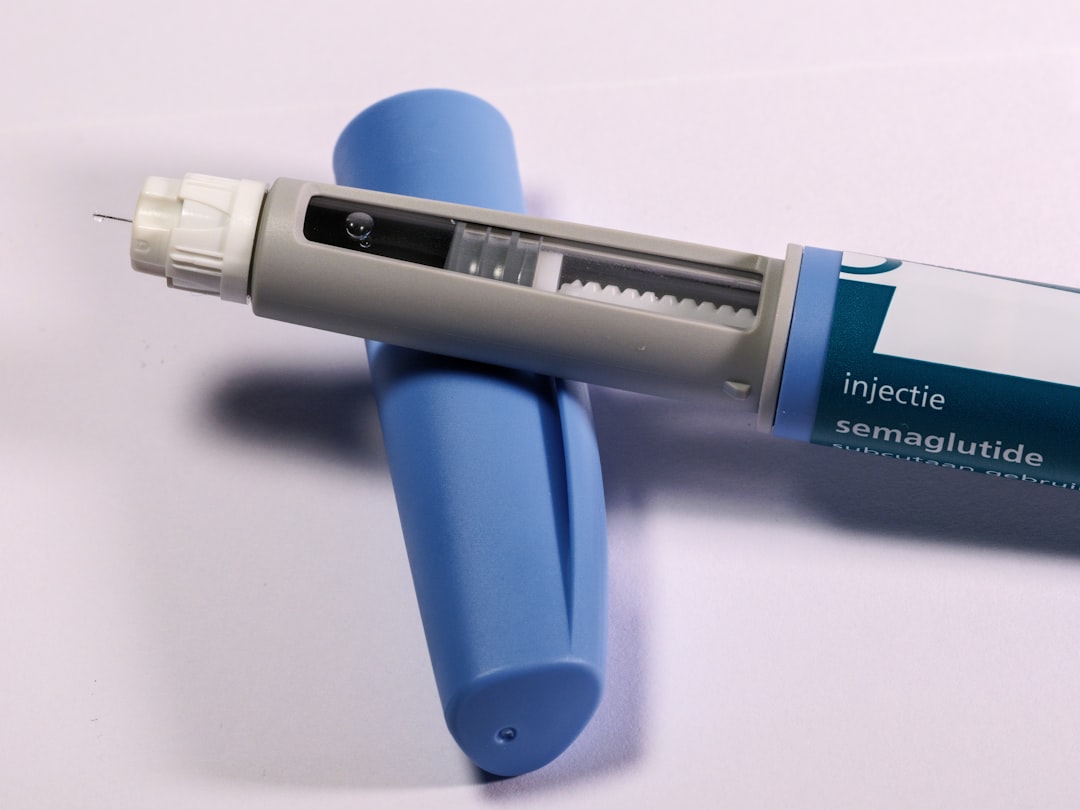
A study of roughly 110,000 women ages 45 to 80 found that those taking GLP-1 drugs — like semaglutide (Ozempic, Wegovy) — were 30% less likely to be diagnosed with breast cancer than comparable women who weren’t.
The obvious explanation is weight loss. Obesity after menopause raises estrogen, estrogen fuels most breast tumors, less weight means less estrogen-producing tissue. Clean story.
No spam. Unsubscribe anytime.
GLP-1 drugs don’t just move the scale. They reduce systemic inflammation, improve insulin sensitivity, and alter metabolic signaling in ways that are still being characterized. Any of those effects — or a combination — could be contributing to lower cancer risk independent of weight loss. That’s a meaningfully different finding, because it would mean women who don’t lose much weight on these drugs might still see a benefit. And it would mean the mechanism isn’t simply “smaller body, less estrogen.”
The study was observational — it tracked outcomes, didn’t randomize anyone — so it can’t prove the drugs deserve the credit. But the signal was consistent and large enough that the research team is now standing up a clinical trial to test it directly.
This is not the first time GLP-1s have shown up near a cancer finding. Early research has also flagged reduced risk of colorectal and other cancers. But breast cancer — the most common cancer diagnosed in women — is where the question carries the most weight.
For women currently on these drugs for diabetes or weight management, nothing about their care changes. This isn’t a reason to start GLP-1s for cancer prevention. But it’s a serious enough signal that it’s now being formally investigated — and the mechanism being studied goes beyond what most people assume these drugs actually do.