American Doctors Use the Episiotomy Cut Linked to Worse Tearing
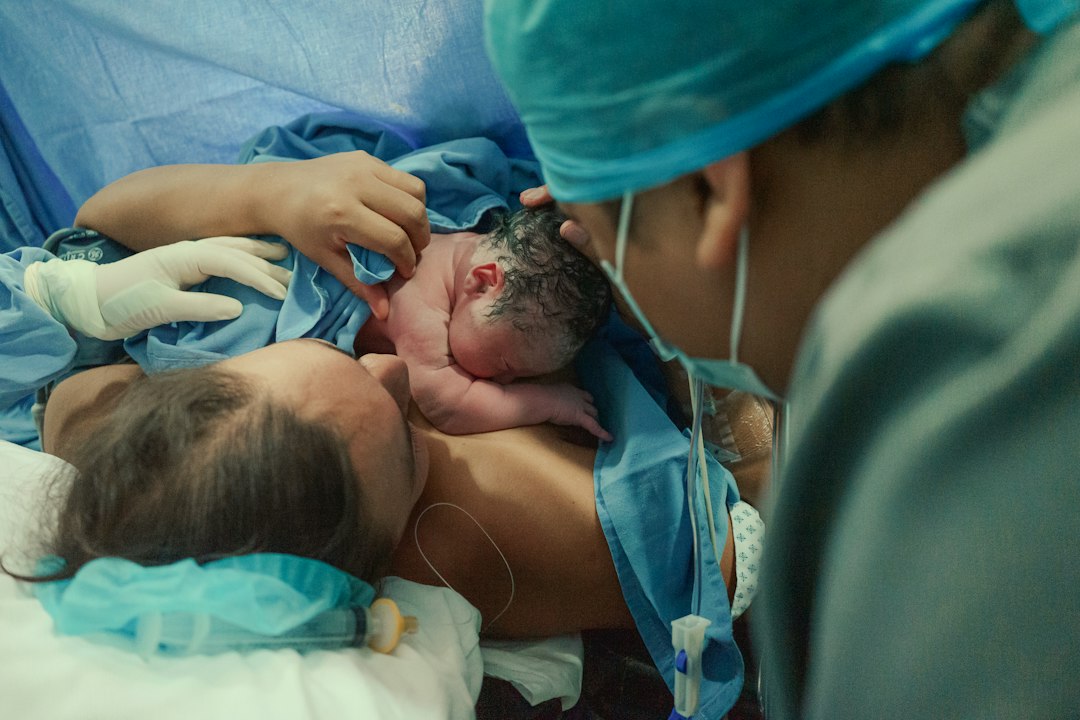
When an episiotomy is performed during an instrumental delivery in the United States, the cut is almost always made in a straight line toward the rectum. That midline technique accounts for more than 75 percent of episiotomies performed during forceps or vacuum-assisted deliveries, according to a new study in Obstetrics and Gynecology.
The study followed 5,277 US women who delivered with forceps or vacuum assistance. More than one in five experienced a severe perineal tear, defined as a laceration reaching the anal sphincter or rectum. In women who received an episiotomy during a vacuum delivery, midline cuts were associated with higher odds of that kind of severe tear.
No spam. Unsubscribe anytime.
There is an alternative technique used widely in Europe that angles the cut away from the rectum. The study found that technique had a different association with severe tearing, but not for every woman in the study.
The angled cut, called a mediolateral episiotomy, was associated with lower odds of severe tearing among women who had never previously delivered vaginally, for both forceps and vacuum deliveries. For women who had given birth vaginally before, the difference did not reach statistical significance. The study is observational and cannot establish causation.
The midline technique remains dominant in American obstetrics despite guidance from several professional organizations supporting greater use of mediolateral cuts in high-risk instrumental deliveries. Women who expect an instrumental delivery may want to discuss episiotomy type with their provider before labor, particularly if they have not delivered vaginally before. Randomized trial evidence would be needed to confirm the patterns this study identified.