Eli Lilly Is Using Its GLP-1 Windfall to Invest in Endometriosis
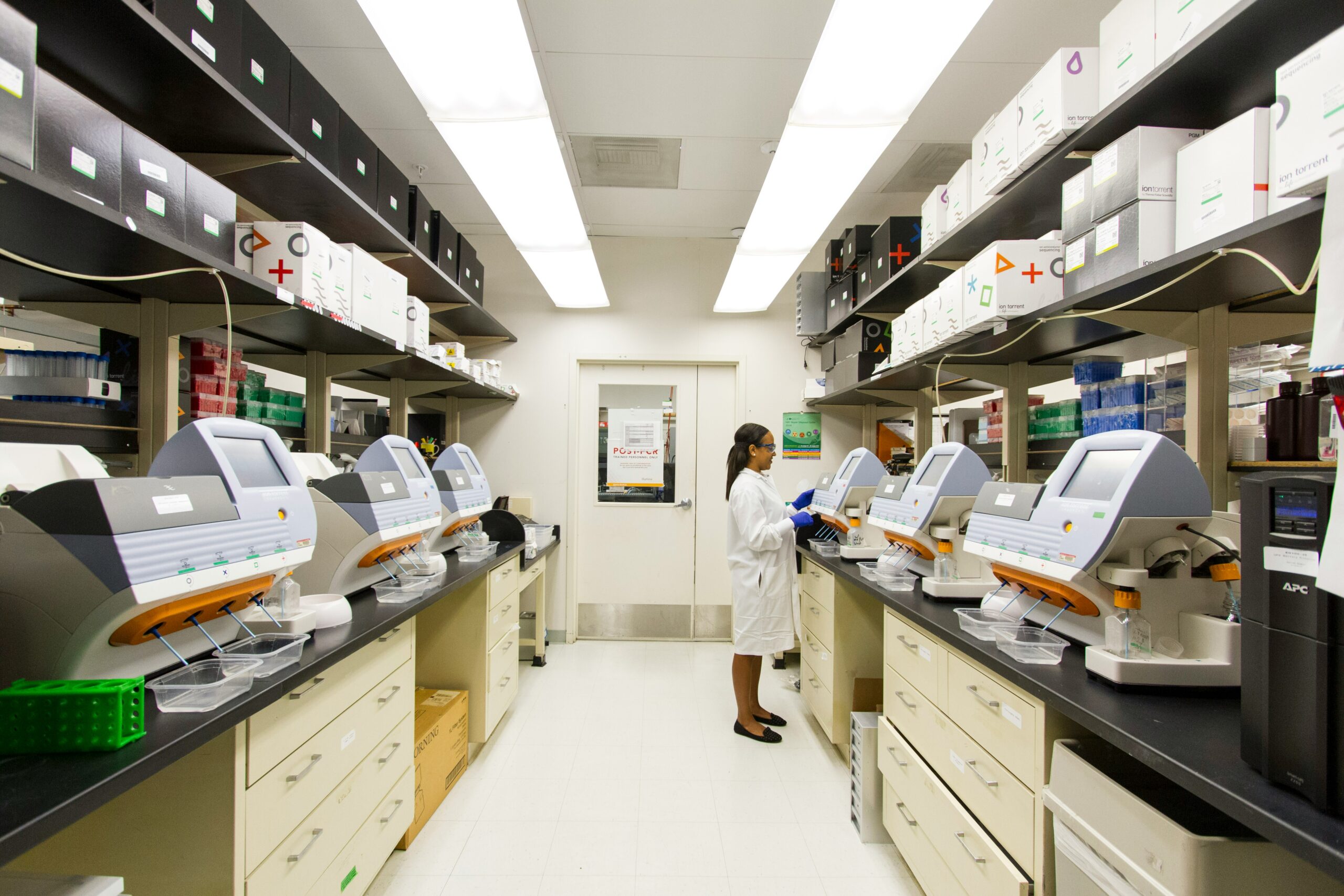
Eli Lilly, whose GLP-1 drugs Mounjaro and Zepbound have generated billions in revenue, is using some of that capital to build a dedicated women’s health business. The company has announced investments targeting endometriosis, osteoporosis, and preeclampsia — conditions that affect hundreds of millions of women and have historically received minimal private investment.
Women represent nearly half the world’s population, but women’s health attracts roughly 6% of private healthcare investment. Lilly’s announcement has drawn attention partly because of its scale and partly because of where the money is coming from: a GLP-1 market that has itself been driven significantly by women.
No spam. Unsubscribe anytime.
In May, Lilly hired reproductive medicine researcher Kelle Moley to lead women’s health and early clinical development.
The company is recruiting scientists in osteoporosis and preeclampsia and investing in outside companies working on endometriosis — a condition that affects an estimated 190 million women globally with no cure and limited treatment options.
Investment announcements and approved treatments are not the same thing. The gap between early-stage pipeline and a drug available to patients can span a decade. The 6% investment figure is corroborated by McKinsey (2024) and Women’s Health Access Matters.
Source: Eli Lilly press releases / Maternie reporting, 2025.