IVF Throws Away Fluid That May Contain Viable Eggs. A New Device Found Them.
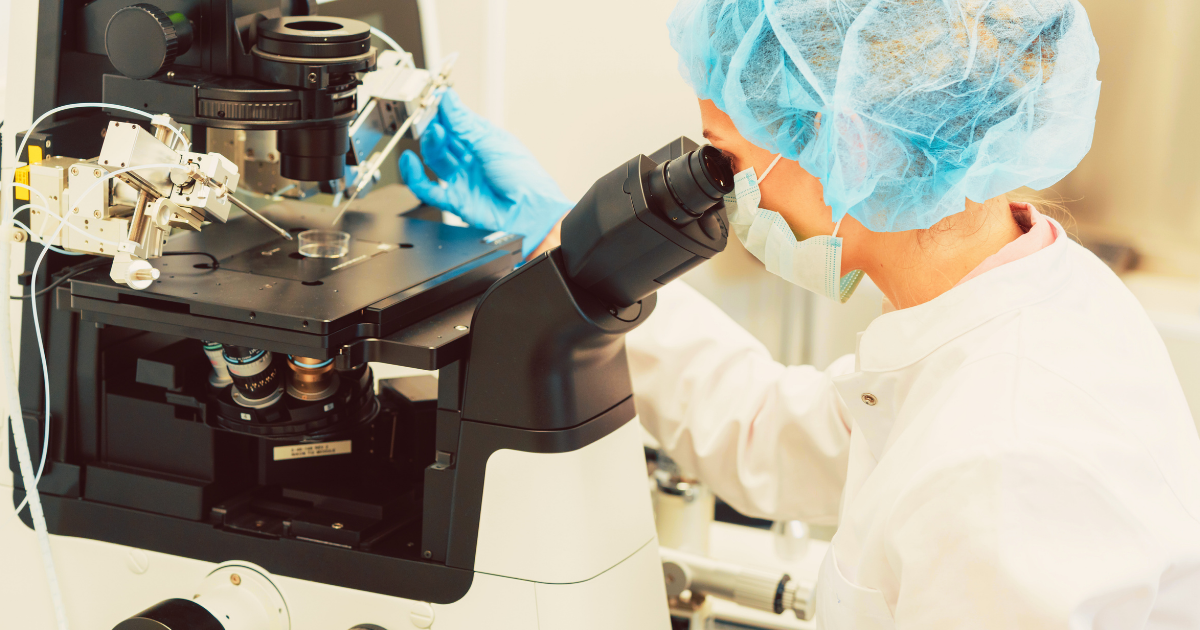
Standard IVF collects eggs from follicles and then discards the fluid surrounding those eggs. In more than half of the patients studied, that fluid had viable eggs in it.
A new device, designed to filter and recover eggs from follicular fluid that is routinely thrown away during egg retrieval, found additional mature eggs in 56% of 582 patients tested. Those eggs were then fertilized. They developed into embryos. In some cases, they resulted in pregnancies.
No spam. Unsubscribe anytime.
The implications are significant for women with low egg counts, a group for whom IVF outcomes are often poor and for whom every additional egg represents a meaningful change in the odds. Current standard practice involves an embryologist examining the fluid briefly before it is discarded. The new device applies a filtration system that recovers eggs the standard process misses.
This is not a marginal finding. IVF is expensive, physically demanding, and emotionally taxing. A single retrieval cycle can cost $15,000 or more, not including medications. The number of eggs retrieved in that cycle directly affects how many embryos a patient has to work with, and how many transfers she may attempt before success or before stopping. Adding viable eggs that were previously being thrown away changes that arithmetic.
The study raises a practical question the research does not fully answer: why has this fluid been discarded without systematic recovery for so long? The honest answer is that no one built a device to check. The assumption that useful eggs would not be present, combined with a retrieval process designed for speed and efficiency, meant the question was never formally asked.
The device is not yet in widespread clinical use. It will need further study, regulatory review, and adoption by fertility clinics before it becomes standard. But the finding is difficult to dismiss: in the majority of cases studied, the fluid that gets poured out contained eggs that could have been used.
Source: February 2026 research. Study of 582 IVF patients examining follicular fluid recovery using a filtration device.