A Potential Upside to PCOS Nobody’s Talking About
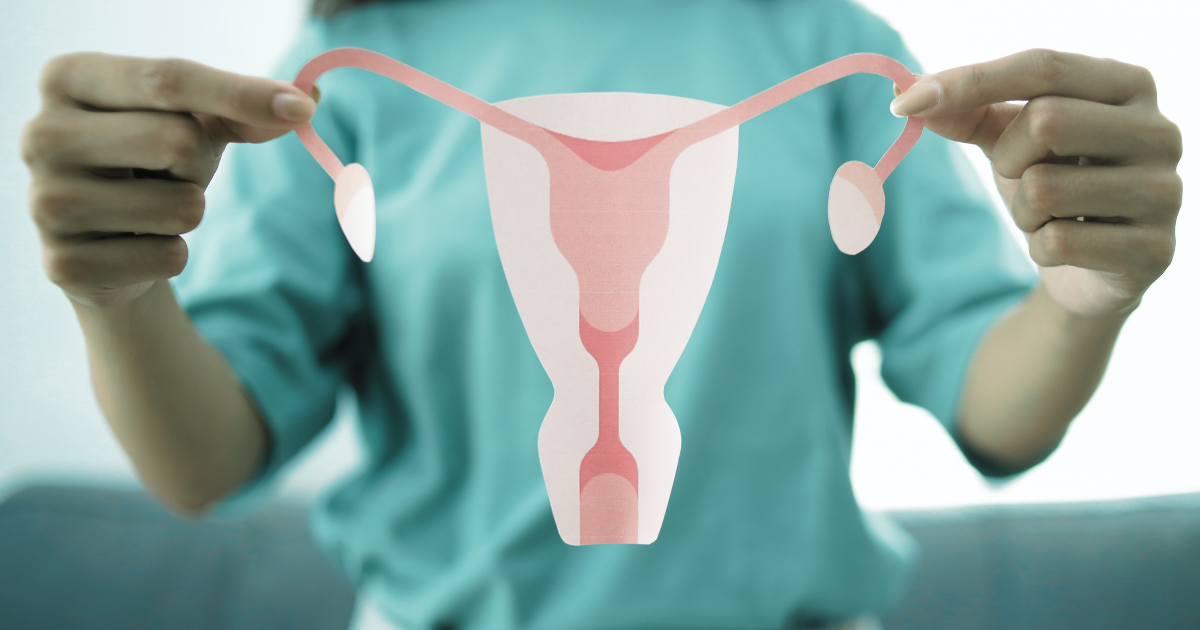
Women with polycystic ovary syndrome reach menopause later than women without it, and when they do, they report significantly fewer symptoms. A study referenced at the Cleveland Clinic Global Women’s Health Forum found women with PCOS had 32% fewer menopause symptoms overall, including 41% fewer hot flashes.
PCOS affects roughly 1 in 10 women of reproductive age and is almost always framed around its complications, including irregular periods, fertility challenges, and metabolic risk. This finding points toward something different.
No spam. Unsubscribe anytime.
The leading hypothesis is hormonal. Women with PCOS tend to have higher androgen levels and, in many cases, a larger ovarian reserve. Both may contribute to a more gradual hormonal decline as they approach menopause, rather than the sharp drop that drives the most disruptive symptoms in other women.
Later menopause itself carries some well-established health associations. Women who reach menopause later tend to have lower rates of cardiovascular disease and osteoporosis, and some research suggests a modest protective effect on cognitive decline. Whether PCOS-related delayed menopause confers the same benefits is not yet established, but researchers say the question is worth pursuing.
The finding also complicates the standard clinical narrative around PCOS. Patients are routinely counseled about the condition’s risks, and with good reason. But the picture is not uniformly negative, and framing it that way may be incomplete.
More research is needed to understand the mechanism, replicate the symptom findings in larger populations, and determine whether the benefits extend beyond symptom severity to long-term health outcomes. What the data suggests now is that the relationship between PCOS and aging is more complex, and potentially more protective in some ways, than medicine has typically acknowledged.
Source: Study on PCOS and menopause timing, presented at the Cleveland Clinic Global Women’s Health and WAM Forum, May 2026.